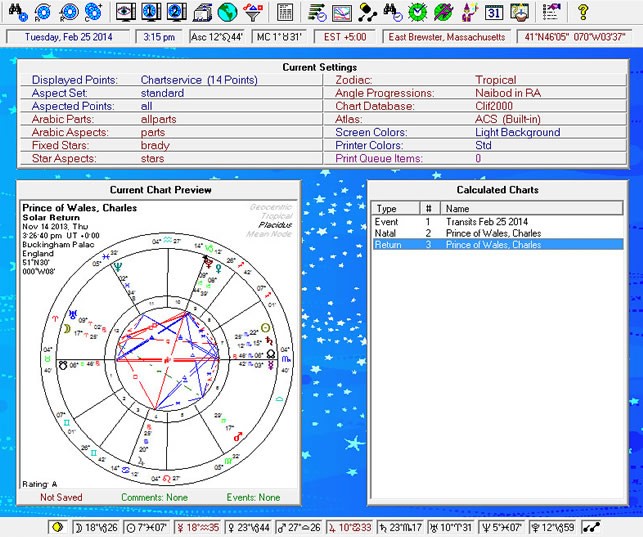
In astrology, aspects describe the angles formed between planets, points, or other sensitive areas in the natal chart. Orbs define the allowable deviation from the exact degree of an aspect, indicating how strongly the aspect influences the chart. Understanding orbs is crucial for accurate chart interpretation.
1. What Are Orbs?
- An orb is the range (in degrees) within which an aspect is considered effective.
- Exact aspects have the strongest influence, while wider orbs weaken the effect gradually.
- Different astrologers may use slightly different orbs depending on the planet, type of aspect, and chart tradition.
Key Principle:
- Closer to exact → Stronger influence.
- Further from exact → Influence diminishes.
- Some aspects, like conjunctions, oppositions, and squares, allow wider orbs; minor aspects allow smaller orbs.
2. Typical Orbs by Aspect Type
Aspect | Exact Angle | Common Orb Range | Nature | Notes |
|---|---|---|---|---|
| Conjunction | 0° | ±8–10° | Neutral (depends on planets) | Very strong; merges planetary energies. |
| Sextile | 60° | ±4–6° | Benefic | Minor opportunities; requires conscious activation. |
| Square | 90° | ±6–8° | Malefic / Challenging | Creates tension, obstacles, and growth opportunities. |
| Trine | 120° | ±6–8° | Benefic | Natural harmony; effortless cooperation. |
| Opposition | 180° | ±6–8° | Malefic / Challenging | Polarization, confrontation; requires integration. |
| Quincunx / Inconjunct | 150° | ±2–4° | Adjustment | Subtle awkwardness; need for adaptation. |
| Minor Aspects | Various | ±1–3° | Neutral / Minor | Semi-square, semi-sextile, sesqui-square, etc.; gentle influence. |