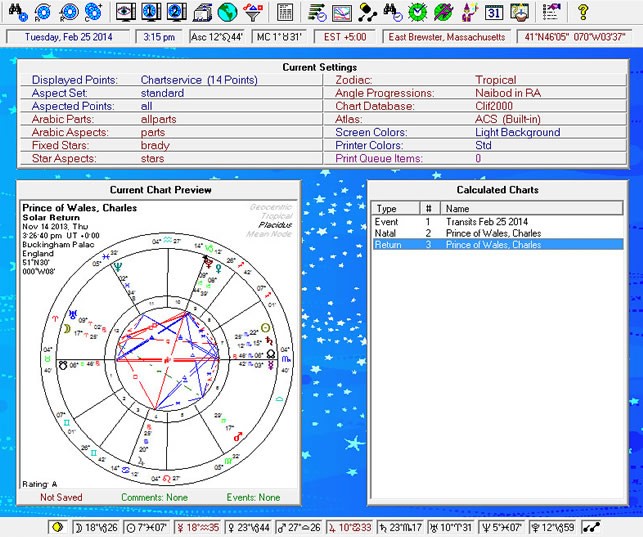
In Mundane Astrology, housing, real estate, and urban development are analyzed through planetary positions, aspects, and house activations.
- 4th House: residential properties, housing markets, domestic stability
- 2nd House: property values, land resources, economic investment in real estate
- 6th House: construction labor, urban planning, infrastructure development
- Saturn, Venus, Mars, Jupiter, and Mercury: key planets influencing housing and urban growth
By tracking transits, progressions, and eclipses, astrologers can forecast real estate trends, urban expansion, housing crises, and property market fluctuations.
🔹 Key Planetary Influences
♄ Saturn – Infrastructure, Urban Planning, and Stability
- Saturn governs construction discipline, city planning, and residential stability.
- Positive aspects → well-planned cities, sustainable housing growth.
- Challenging aspects → urban congestion, construction delays, housing shortages.
Example:
- Development of Washington, D.C. (18th century): Saturn aspects reflected structured urban planning and residential development.
♀ Venus – Property Value, Real Estate Appeal, and Residential Satisfaction
- Venus governs property aesthetics, housing value, and neighborhood appeal.
- Positive aspects → high property demand, attractive housing areas.
- Challenging aspects → devaluation, poor planning, market fluctuations.
Example:
- Paris Haussmann renovations (19th century): Venus aspects reflected beautification and property value enhancement.
♂ Mars – Construction, Labor, and Urban Expansion
- Mars governs construction activity, workforce mobilization, and urban development projects.
- Positive aspects → efficient building projects, rapid development.
- Challenging aspects → construction accidents, urban disruption, labor disputes.
Example:
- Skyscraper construction boom in early 20th-century New York: Mars aspects reflected rapid urban expansion and labor mobilization.
♃ Jupiter – Investment, Economic Expansion, and Housing Accessibility
- Jupiter governs real estate investment, economic growth, and housing availability.
- Positive aspects → property market growth, affordable housing.
- Challenging aspects → real estate bubbles, speculative investments.
Example:
- Post-WWII suburban housing expansion in the USA: Jupiter aspects reflected affordable housing growth and economic prosperity.
☿ Mercury – Urban Planning, Communication, and Housing Logistics
- Mercury governs planning coordination, property management, and infrastructure communication.
- Positive aspects → organized development, efficient real estate systems.
- Challenging aspects → mismanagement, urban chaos, communication breakdowns.
Example:
- Modern zoning laws implementation: Mercury aspects reflected coordinated urban development and housing regulation.
🔹 Houses in Housing, Real Estate, and Urban Development
House | Focus |
|---|---|
| 2nd | Property value, land resources, real estate investment |
| 4th | Residential housing, domestic stability, homeownership trends |
| 6th | Construction labor, urban planning, infrastructure projects |
| 10th | Government housing policies, city development, regulatory oversight |
🔹 Eclipses and Housing/Urban Events
Eclipses activating 2nd, 4th, or 6th houses → property market changes, housing booms, urban development initiatives.
Repeated eclipse cycles → historical patterns in real estate, urban growth, and housing policy.
Example:
Solar Eclipse 1930 activating 4th house points: coincided with urban housing reforms during the Great Depression, reflecting housing policy shifts.
🔹 Practical Mundane Interpretation
Track Saturn, Venus, Mars, Jupiter, and Mercury for housing and urban development influence.
Observe 2nd, 4th, and 6th house activations in national charts.
Combine eclipses and outer planet transits to forecast real estate trends, housing crises, or urban expansion.
Analyze historical cycles → anticipate property market stability, urban growth, and residential development.
Insight: Mundane astrologers can anticipate housing trends, real estate fluctuations, and urban development patterns using planetary cycles, house activations, and eclipse timing.