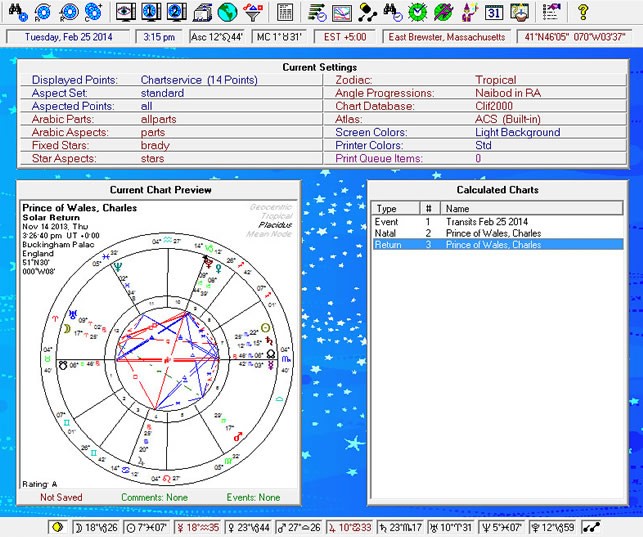
Modern psychological astrology focuses on inner dynamics, personal growth, and psychological patterns, rather than strictly predictive methods. It emerged in the 20th century as a synthesis of classical astrology, Jungian psychology, and humanistic approaches.
🔹 Key Figures
- Liz Greene
- Combines Jungian psychology with astrology.
- Emphasis on personality patterns, inner conflicts, and life purpose.
- Techniques: Psychological interpretation of natal charts, transits, and progressions.
- Dane Rudhyar
- Pioneer of humanistic astrology.
- Focus on personal evolution and spiritual growth.
- Introduced the idea of astrology as a tool for self-actualization and conscious development.
🔹 Characteristics of Modern Psychological Astrology
- Focus on the psyche: Interprets planets and houses as psychological energies.
- Growth-oriented: Challenges and aspects are seen as opportunities for development, not merely obstacles.
- Symbolic interpretation: Uses astrology to understand archetypes, patterns, and potentials.
- Integration with therapy: Often used alongside psychotherapy or counseling.
🔹 Key Differences from Classical Astrology
Aspect | Classical Astrology | Modern Psychological Astrology |
|---|---|---|
| Purpose | Prediction, fate, timing | Personal growth, self-understanding |
| Planetary Role | Objective influence, power | Symbolic psychological energy |
| Aspects & Challenges | Tension, fortune, karmic lessons | Opportunities for development, self-awareness |
| Techniques | Profections, primary directions, dignities | Psychological chart analysis, transits, progressions |
| Focus | External events, life timing | Internal development, personality dynamics |