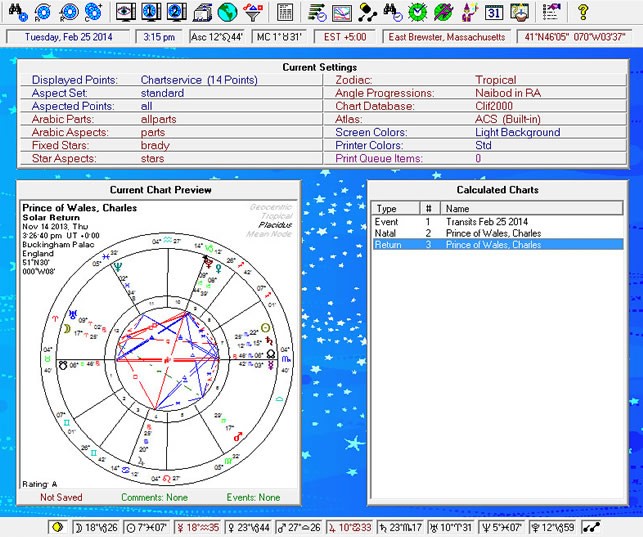
In Mundane Astrology, science, technology, and innovation are analyzed through planetary positions, aspects, and house activations.
- 3rd House: local technological development, research communication, applied science
- 9th House: higher science, global technological breakthroughs, theoretical research
- 5th House: creativity in innovation, invention, experimental applications
- Uranus, Mercury, Saturn, Jupiter, and Neptune: key planets influencing scientific and technological trends
By tracking transits, progressions, and eclipses, astrologers can forecast scientific discoveries, technological innovation, and societal adoption of new technologies.
🔹 Key Planetary Influences
♅ Uranus – Innovation, Invention, and Technological Breakthroughs
- Uranus governs radical innovation, cutting-edge technology, and disruptive inventions.
- Positive aspects → revolutionary breakthroughs and societal advancement.
- Challenging aspects → sudden technological failures or disruption.
Example:
- Invention of the internet (1990s): Uranus aspects reflected a global technological transformation.
☿ Mercury – Scientific Research, Analysis, and Communication
- Mercury governs research methodologies, data communication, and scientific publications.
- Positive aspects → clarity in research, collaborative discovery.
- Challenging aspects → misinterpretation, experimental setbacks.
Example:
- Publication of Newton’s Principia (1687): Mercury aspects reflected precise scientific communication and foundational knowledge.
♄ Saturn – Structure, Methodology, and Systematic Science
- Saturn governs disciplined research, structured experimentation, and technological application.
- Challenging aspects → rigid methodologies, bureaucratic delays, or conservative approaches.
Example:
- Industrial Revolution (18th–19th century): Saturn aspects reflected structured industrial and scientific progress.
♃ Jupiter – Expansion of Knowledge and Global Scientific Influence
- Jupiter governs international scientific collaboration, widespread adoption of technology, and societal influence of discoveries.
- Positive aspects → broad impact of scientific breakthroughs.
- Challenging aspects → overextension or misuse of technological applications.
Example:
- Global spread of vaccines (20th century): Jupiter aspects reflected expansion and acceptance of scientific innovation.
♆ Neptune – Visionary Science and Theoretical Innovation
- Neptune governs visionary ideas, conceptual breakthroughs, and pioneering theoretical science.
- Positive aspects → inspiration for new fields, imaginative scientific models.
- Challenging aspects → unrealistic theories, confusion, or experimental misdirection.
Example:
- Quantum Mechanics development (20th century): Neptune aspects reflected imaginative theoretical breakthroughs in science.
🔹 Houses in Science, Technology, and Innovation
House | Focus |
|---|---|
| 3rd | Local research, applied science, communication of discoveries |
| 5th | Creativity in invention, experimental applications, technological innovation |
| 9th | Higher science, global research, theoretical breakthroughs |
| 10th | Scientific institutions, technological implementation, governmental research support |
🔹 Eclipses and Scientific/Technological Events
- Eclipses activating 3rd, 5th, or 9th houses → major discoveries, technological innovation, scientific breakthroughs.
- Repeated eclipse cycles → historical patterns in scientific progress and technological advancement.
Example:
- Solar Eclipse 1905 activating 9th house points → coincided with Einstein’s publication of the Special Theory of Relativity.
🔹 Practical Mundane Interpretation
- Track Uranus, Mercury, Saturn, Jupiter, and Neptune for scientific and technological influence.
- Observe 3rd, 5th, and 9th house activations in national and global charts.
- Combine eclipses and outer planet transits to forecast breakthroughs, inventions, or societal adoption of technology.
- Analyze historical cycles → anticipate scientific revolutions, technological innovations, and global knowledge expansion.
Insight: Mundane astrologers can anticipate scientific and technological breakthroughs using planetary cycles, house activations, and eclipse timing.