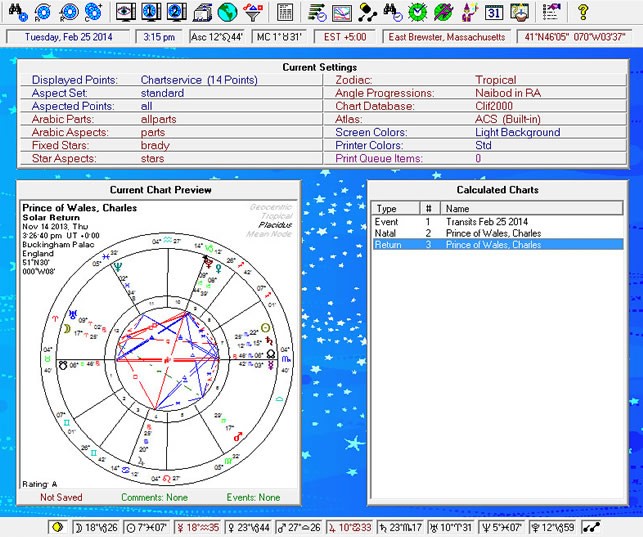
In astrology, aspects are the angular relationships between planets, points, or angles in the natal chart. They represent how different energies interact—either harmoniously, tensely, or with dynamic potential. Understanding aspects is one of the most critical foundations of chart interpretation, as they reveal not just what planets signify individually, but how they work together.
🔹 1. The Nature of Aspects
- Aspects = Dialogue: Each aspect is like a conversation between planets. Some dialogues are supportive, while others are challenging but growth-oriented.
- Orb: The "orb" is the degree of allowance for an aspect (commonly 6–8° for major aspects, 2–3° for minor ones). Closer orbs intensify the effect.
- Major Aspects: Conjunction, Sextile, Square, Trine, Opposition.
- Minor Aspects: Quincunx, Semi-Sextile, Quintile, Semi-Square, Sesquiquadrate, etc.
🔹 2. The Five Major Aspects
- Conjunction (0°): Powerful blending of energies. Can be harmonious or tense depending on planets involved.
- Sextile (60°): Cooperation, opportunity, ease of communication. Requires activation.
- Square (90°): Tension, conflict, obstacles → but also growth and motivation.
- Trine (120°): Harmony, flow, natural talents, support. Risk of laziness if not used consciously.
- Opposition (180°): Polarity, external challenges, projection → balance is required.
🔹 3. Aspect Dynamics
- Hard Aspects (Square, Opposition, sometimes Conjunction): Create tension, challenges, and the need for growth. They push the individual to act.
- Soft Aspects (Trine, Sextile): Indicate talents, ease, and supportive energies. They provide gifts that can be developed.
- Neutral/Mixed Aspects (Conjunction, Quincunx): Can manifest positively or negatively depending on planets and chart context.
🔹 4. Critical Considerations
- Planetary Weight: The faster-moving planet “responds” to the slower-moving one. For example, the Moon square Saturn shows how emotions respond to Saturn’s restrictions.
- Harmonic Patterns: T-squares, Grand Trines, Yods, Stelliums create powerful themes in the chart.
- Context Matters: The same aspect can manifest differently depending on house placement, sign, and overall chart.
- Exactness: The closer the aspect to exact degree, the stronger its influence.
- Evolving with Time: Aspects gain new meaning in progressions, solar returns, and transits.
🔹 5. Practical Guidance
- Balance the Energy: Use hard aspects as motivation rather than obstacles.
- Develop Gifts: Don’t ignore trines and sextiles—cultivate them actively.
- See the Whole Picture: Always interpret aspects in the context of the full chart, not in isolation.
- Look for Repetition: If the same aspect theme repeats across progressions, solar return, and transits → it’s a critical life lesson.
✨ In summary:
Aspects are the threads weaving the chart together. They show how different parts of the self cooperate, clash, or balance out. Understanding aspects deeply allows astrologers to uncover core dynamics, growth opportunities, and life challenges beyond just signs and houses.