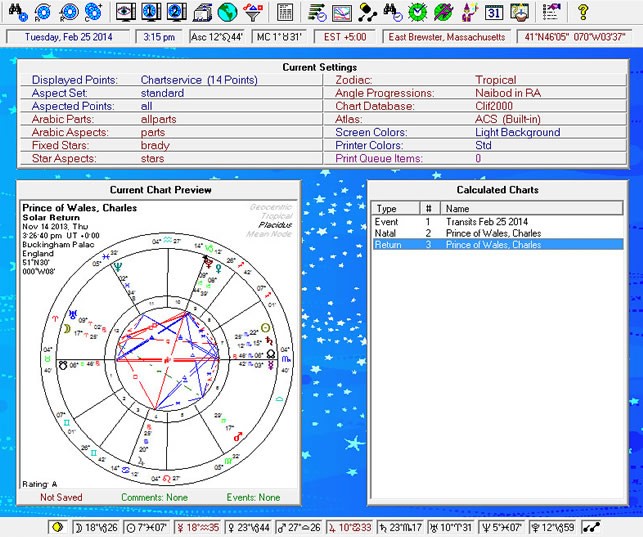
In astrology, aspects are the angular relationships between planets in the natal chart. They reveal how planetary energies interact, cooperate, or challenge each other, shaping personality and life events. The major aspects are:
1. Conjunction (0°) – Union of Energies
- Meaning: Two planets are in the same degree/close proximity.
- Effect: Energies merge, amplifying traits of the planets involved. Can be harmonious or intense depending on planets.
- Example: Sun conjunct Mercury = strong communication focus, sharp intellect.
2. Opposition (180°) – Polarity and Balance
- Meaning: Two planets face each other on opposite sides of the chart.
- Effect: Tension between opposing needs; requires integration and compromise.
- Example: Moon opposite Venus = balancing emotional needs with relationship desires.
3. Trine (120°) – Natural Flow
- Meaning: Planets are 120° apart, usually in the same element (Fire, Earth, Air, Water).
- Effect: Harmony, talents, effortless energy flow, opportunities.
- Example: Jupiter trine Sun = optimism, luck, confidence.
4. Square (90°) – Challenge and Growth
- Meaning: Planets are 90° apart, creating tension.
- Effect: Conflict that pushes growth; obstacles to overcome; dynamic energy.
- Example: Mars square Saturn = discipline needed to control aggression or frustration.
5. Sextile (60°) – Opportunity and Cooperation
- Meaning: Planets are 60° apart, usually in compatible elements.
- Effect: Easier opportunities, cooperation, talent development with conscious effort.
- Example: Venus sextile Neptune = artistic inspiration, compassion, romantic idealism.
Practical Notes on Aspects
- Major aspects (above) carry the strongest influence.
- Orb (allowable degree range) determines how tight or loose the aspect is.
- Aspects show planetary dialogue: whether energies support each other or require adjustment.