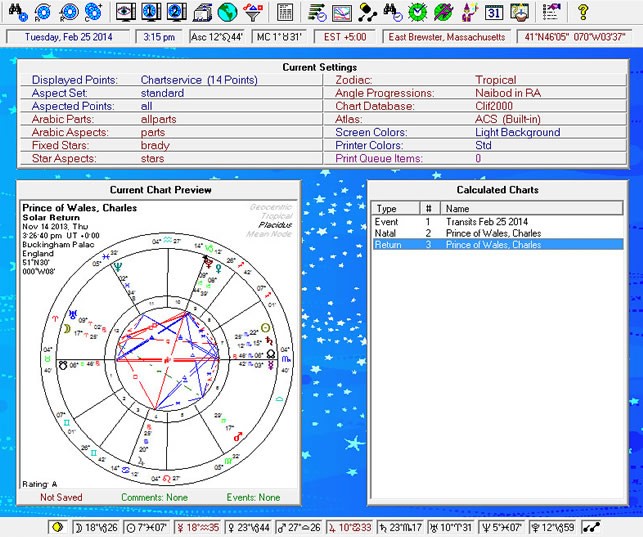
Reading an astrocartography map is a key skill for understanding how planetary energies influence different locations around the world. The map takes your natal chart and projects it onto Earth, showing planetary lines and their corresponding energies.
1. Identify the Planetary Lines
Each line represents a planet and its influence:
- Sun line: Confidence, visibility, personal expression
- Moon line: Emotional well-being, family, intuition
- Mercury line: Communication, learning, networking
- Venus line: Love, relationships, creativity
- Mars line: Energy, ambition, challenges
- Jupiter line: Luck, growth, opportunities
- Saturn line: Responsibility, structure, lessons
- Uranus line: Change, freedom, innovation
- Neptune line: Dreams, spirituality, imagination
- Pluto line: Transformation, power, deep change
Lines are also labeled with ASC, DSC, MC, or IC, showing the angle the planet is associated with.
2. Observe Intersections
Where two or more lines cross, multiple planetary energies are activated. These intersections often indicate locations of intense experiences, opportunities, or challenges.
3. Consider Orbs of Influence
Planetary influence is strongest directly on the line, but it also extends to nearby regions (typically 200–300 km). Areas near the line still carry energy but with less intensity.
4. Analyze the Type of Influence
- Positive or supportive energy: Jupiter, Venus, Sun
- Challenging or growth-focused energy: Saturn, Mars, Pluto
- Subtle or spiritual influence: Neptune, Uranus
5. Apply to Life Decisions
Reading the map helps you decide:
- Best cities for career, love, or personal growth
- Locations to avoid or approach with caution
- Areas where your innate potential can be expressed fully
By combining planetary lines, intersections, and local context, you can interpret an astrocartography map effectively and make informed decisions about travel, relocation, or personal exploration.