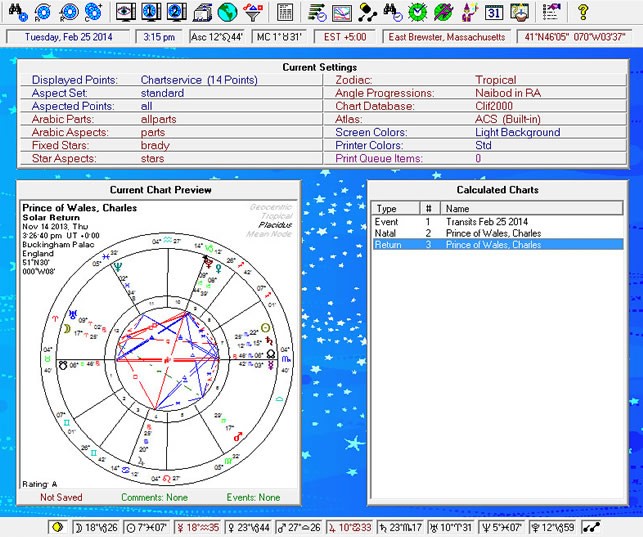
In Mundane Astrology, natural disasters are studied through planetary alignments, aspects, house activations, and eclipses.
- Pluto, Uranus, Saturn, Mars, and Neptune are primary planets linked to extreme events.
- 4th, 6th, and 8th houses often indicate vulnerability in land, resources, and population.
By tracking transits, progressions, and eclipses, astrologers can forecast periods of increased risk for natural disasters.
🔹 Key Planetary Indicators
♅ Uranus – Sudden and Unpredictable Events
- Triggers earthquakes, volcanic eruptions, storms, and unexpected natural catastrophes.
- Often appears with outer planet aspects to amplify impact.
Example:
- 2011 Tōhoku earthquake, Japan: Uranus aspects in the national chart coincided with sudden seismic activity.
♇ Pluto – Transformation and Destruction
- Linked to massive geological changes, volcanic eruptions, and long-term environmental restructuring.
- Pluto aspects → destructive yet transformative events.
Example:
- Mount St. Helens eruption 1980: Pluto transiting critical national points → major environmental impact.
♄ Saturn – Structural Stress and Droughts
- Governs droughts, famine, or slow-building natural pressures.
- Saturn transits often indicate prolonged periods of environmental difficulty.
Example:
- 1930s Dust Bowl, USA: Saturn transit in Earth signs triggered structural agricultural collapse.
♂ Mars – Fires, Storms, and Aggressive Forces of Nature
- Mars transits → storms, wildfires, and rapid-moving natural threats.
- Activates short-term crisis periods.
Example:
- 2019–2020 Australian bushfires: Mars activation in Capricorn and outer planet aspects heightened fire risk.
♆ Neptune – Floods, Tsunamis, and Water Disasters
- Governs floods, hurricanes, tsunamis, and coastal disasters.
- Neptune transits → collective vulnerability and confusion in disaster response.
Example:
- 2004 Indian Ocean Tsunami: Neptune aspects and eclipses activated national charts near coastal points.
🔹 Houses Indicating Disaster Potential
House | Natural Disaster Focus |
|---|---|
| 4th | Homeland, land, earthquakes, environmental stability |
| 6th | Public health, epidemics, labor disruption due to disasters |
| 8th | Sudden crises, deaths, systemic vulnerability |
| 12th | Hidden risks, secret hazards, covert threats |