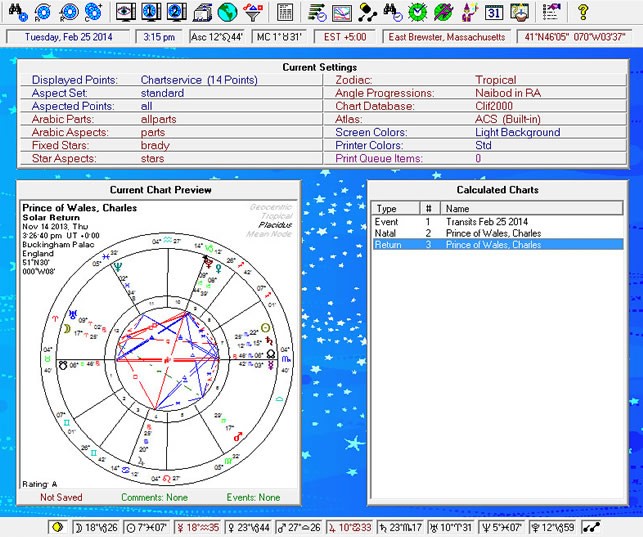
In astrology, house systems divide the natal chart into 12 segments, but the method of division affects cusp positions and interpretation. The three commonly compared systems are Whole Sign, Equal, and Quadrant houses. Understanding the differences helps astrologers choose the system best suited for their approach.
1. Whole Sign Houses
- Method: Each zodiac sign becomes one house; the Ascendant sign is automatically the 1st house, and the rest follow sequentially.
- Pros:
- Simple and consistent.
- Traditional system, widely used in Hellenistic and Vedic astrology.
- Avoids irregular house sizes in extreme latitudes.
- Cons:
- Ignores exact degree of Ascendant for cusp placement.
2. Equal Houses
- Method: The first house cusp is the Ascendant, then each subsequent house is exactly 30°.
- Pros:
- Easy to calculate.
- Maintains equal house sizes.
- Reflects a logical and modern approach.
- Cons:
- Can slightly shift house focus for planets near cusps compared to Quadrant systems.
3. Quadrant Houses (e.g., Placidus, Koch)
- Method: Divides the chart based on time and Earth's rotation, creating unequal house sizes.
- Pros:
- Highlights angular houses (1st, 4th, 7th, 10th) with extra emphasis.
- Widely used in modern Western astrology.
- Cons:
- Can produce very large or very small houses at extreme latitudes.
- More complex calculations needed.
Comparison Table
Feature | Whole Sign | Equal Houses | Quadrant Houses |
|---|---|---|---|
| House Size | All equal (30°) | All equal (30°) | Unequal |
| Ascendant Use | 1st house = Ascendant sign | 1st house cusp = Ascendant degree | 1st house cusp = Ascendant degree |
| Traditional Use | Hellenistic, Vedic | Modern | Western / Modern |
| Complexity | Simple | Simple | Complex |
| Extreme Latitude | Works well | Works well | Can distort houses |