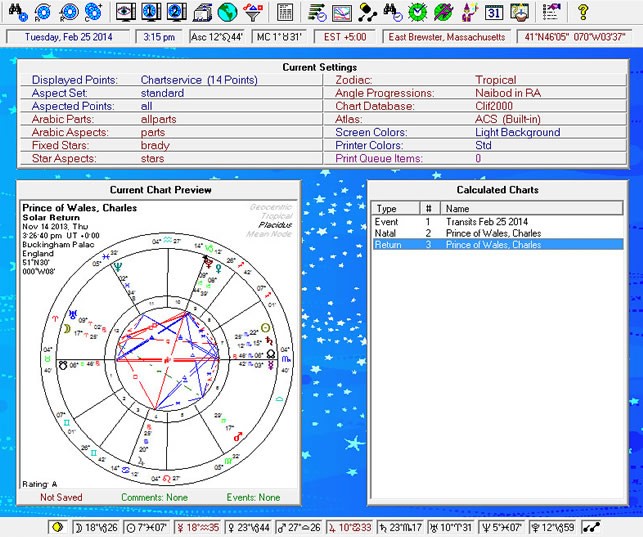
In astrology, house systems divide the chart into 12 sections, but different methods affect house cusps and interpretations. Comparing Whole Sign, Equal, and Quadrant systems helps astrologers understand strengths, limitations, and appropriate usage.
1. Whole Sign Houses
- Method: Each zodiac sign corresponds to one house; the Ascendant sign is automatically the 1st house.
- Advantages:
- Simple and consistent.
- Used in Hellenistic and Vedic astrology.
- Avoids irregular houses in high latitudes.
- Disadvantages:
- Exact Ascendant degree is less emphasized.
2. Equal Houses
- Method: The 1st house cusp starts at the Ascendant degree, each house is exactly 30°.
- Advantages:
- Easy and logical calculation.
- Equal house sizes simplify interpretation.
- Disadvantages:
- Some cusp shifts may slightly alter planet placement vs. Quadrant systems.
3. Quadrant Houses (e.g., Placidus, Koch)
- Method: Divides the chart using Earth’s rotation, creating unequal house sizes.
- Advantages:
- Emphasizes angular houses (1st, 4th, 7th, 10th).
- Widely used in modern Western astrology.
- Disadvantages:
- Can produce very large or very small houses at extreme latitudes.
- More complex calculations required.
Comparison Table
Feature | Whole Sign | Equal Houses | Quadrant Houses |
|---|---|---|---|
| House Size | 30° each | 30° each | Unequal |
| Ascendant | 1st house = Ascendant sign | 1st house cusp = Ascendant degree | 1st house cusp = Ascendant degree |
| Tradition | Hellenistic / Vedic | Modern | Modern Western |
| Complexity | Simple | Simple | Complex |
| Extreme Latitude | Accurate | Accurate | Distorted possible |