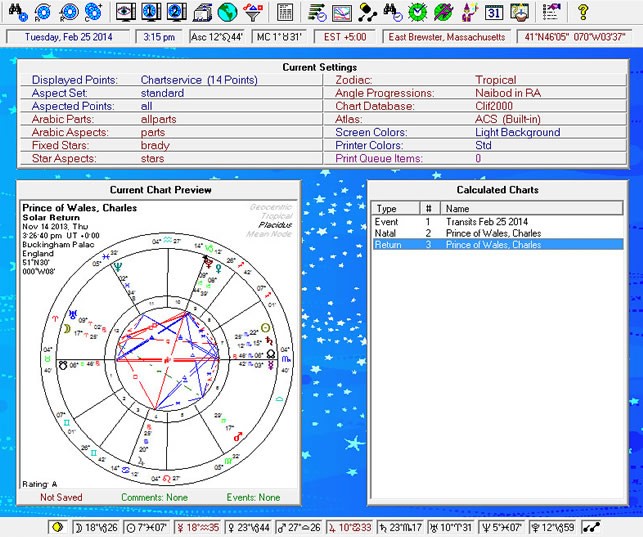
In Mundane Astrology, politics, elections, and governance are analyzed through planetary positions, aspects, and house activations.
- 1st House: national identity, citizen engagement, political movements
- 10th House: leadership, government authority, administration
- 7th House: diplomacy, treaties, political alliances, societal agreements
- Saturn, Jupiter, Sun, Mars, and Pluto: key planets influencing political trends
By tracking transits, progressions, and eclipses, astrologers can forecast elections, leadership changes, government reforms, and political stability or upheaval.
🔹 Key Planetary Influences
♄ Saturn – Government Structure, Authority, and Stability
- Saturn governs long-term governance, authority figures, bureaucratic structure, and political discipline.
- Positive aspects → stable government, law-based leadership.
- Challenging aspects → political stagnation, corruption, authoritarianism.
Example:
- Founding of the United States government (1789): Saturn aspects reflected structured and disciplined political governance.
♃ Jupiter – Political Expansion, Public Support, and Ideology
- Jupiter governs political philosophy, societal ideals, leadership legitimacy, and expansion of influence.
- Positive aspects → strong public support, democratic reforms, fair governance.
- Challenging aspects → ideological clashes, overextension of power.
Example:
- New Deal era (1930s, USA): Jupiter aspects reflected public support and major government reforms.
☉ Sun – Leadership, Executive Power, and National Visibility
- The Sun governs heads of state, executive authority, and visibility of political leaders.
- Positive aspects → respected leadership, clear direction.
- Challenging aspects → authoritarian tendencies, power struggles.
Example:
- Rise of Franklin D. Roosevelt as President (1933): Sun aspects reflected strong leadership during crisis.
♂ Mars – Political Conflict, Activism, and Revolutions
- Mars governs political disputes, protests, revolutions, and enforcement of political power.
- Challenging aspects → civil unrest, coups, or political violence.
Example:
- French Revolution (1789): Mars aspects reflected intense societal upheaval and conflict with authorities.
♇ Pluto – Transformation, Power Shifts, and Political Reform
- Pluto governs revolutionary political changes, regime transformation, and systemic reform.
- Positive aspects → reformative change, political renewal.
- Challenging aspects → power struggles, oppression, corruption.
Example:
- Fall of the Berlin Wall (1989): Pluto aspects reflected dramatic political transformation and systemic change.
🔹 Houses in Politics, Elections, and Governance
House | Focus |
|---|---|
| 1st | National identity, political movements, citizen engagement |
| 7th | Diplomacy, treaties, political alliances, societal agreements |
| 10th | Government leadership, administration, executive authority |
| 4th | Domestic political base, grassroots movements, regional governance |
🔹 Eclipses and Political Events
- Eclipses activating 1st, 7th, or 10th houses → elections, leadership changes, reforms, or political crises.
- Repeated eclipse cycles → historical patterns in governance, revolutions, and political movements.
Example:
- Solar Eclipse 1980 activating 10th house points (USA): coincided with Ronald Reagan’s election, reflecting political shift.
🔹 Practical Mundane Interpretation
- Track Saturn, Jupiter, Sun, Mars, and Pluto for political influence.
- Observe 1st, 7th, and 10th house activations in national charts.
- Combine eclipses and outer planet transits to forecast elections, leadership changes, or political reform.
- Analyze historical cycles → anticipate government stability, political upheaval, and societal governance trends.
Insight: Mundane astrologers can anticipate elections, political reforms, and governance trends using planetary cycles, house activations, and eclipse timing.