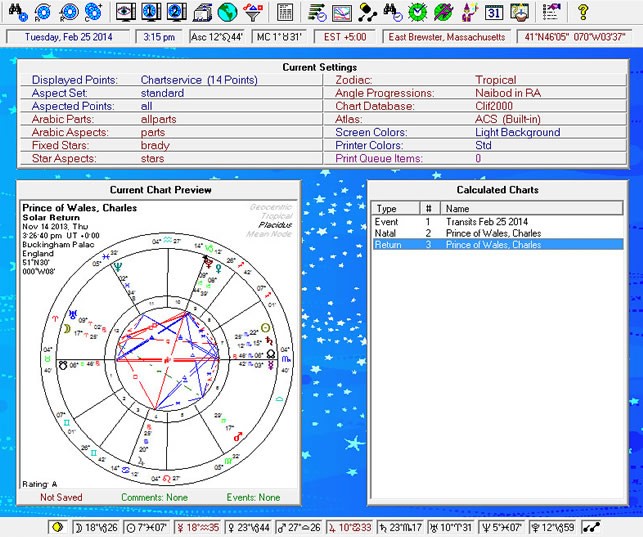
In astrology, understanding planetary aspects, fixed stars, and lunar nodes is essential for interpreting the chart accurately. Each of these elements influences the way planets express their energies, providing guidance for personal growth, life events, and karmic lessons.
1. Benefic Aspects of Planets
What Are Benefic Aspects?
Benefic aspects are harmonious angles between planets that facilitate ease, support, and positive flow of energy. They help planets work together constructively and amplify their strengths.
Major Benefic Aspects:
- Trine (120°) – Natural harmony and talent; effortless expression of planetary energies.
- Sextile (60°) – Opportunities, cooperation, potential growth; requires conscious effort to activate.
- Conjunction (0°) – When planets merge positively, their combined energies are strengthened.
Effects of Benefic Aspects:
- Enhances personal talents and skills.
- Brings opportunities, luck, and favorable circumstances.
- Creates cooperation between different areas of life represented by the planets involved.
Example:
- Venus trine Jupiter → Abundance in love, creativity, and social interactions; ease in attracting positive relationships.
2. Fixed Stars in Astrology
What Are Fixed Stars?
- Fixed stars are celestial points with stable positions in the sky.
- Unlike planets, which move through the zodiac, fixed stars maintain near-constant positions relative to the Earth.
- In astrology, they add nuance to planetary energies and can enhance or modify a planet’s influence.
Effects of Fixed Stars on Planets
- A planet conjunct a benefic fixed star → Strengthened positive qualities (success, talent, guidance).
- A planet conjunct a malefic fixed star → Challenges, caution, or intense experiences in that area.
- Can intensify planetary expression, sometimes bringing fame, power, or significant events.
Examples of Notable Fixed Stars:
- Spica – Benefic; enhances Venus, Sun, or Mercury; brings success, talent, and spiritual insight.
- Regulus – Royal star; strengthens courage, leadership, and recognition.
- Algol – Malefic; intense challenges, caution with the planet it contacts.
3. Lunar Nodes (North Node & South Node)
What Are Lunar Nodes?
- Lunar Nodes are points where the Moon’s orbit intersects the ecliptic.
- North Node – Represents life direction, growth, and karmic lessons to pursue in this lifetime.
- South Node – Represents past life tendencies, habits, and innate skills; what is familiar but may hold us back.
Planetary Aspects to Lunar Nodes
- A planet conjunct the North Node → Signifies areas of karmic growth and opportunity.
- A planet conjunct the South Node → Indicates past tendencies, comfort zones, or unresolved karma.
- Benefic aspects (trine, sextile) to nodes → Easier integration of karmic lessons.
- Malefic aspects (square, opposition) to nodes → Challenges or obstacles that push growth.
Life Approach
- Planets interacting with lunar nodes highlight karmic lessons.
- Understanding node connections helps align personal growth with life purpose.
- Benefic aspects to nodes indicate supportive energies, while challenging aspects indicate areas requiring effort and learning.
4. Integrating Benefic Aspects, Fixed Stars, and Lunar Nodes
- Combined Influence: A planet may be in benefic aspect to another planet, conjunct a fixed star, and aligned with a lunar node.
- This combination enhances the planetary message, often indicating destined talents, opportunities, or karmic support.
- Example:
- Jupiter trine Venus, conjunct Spica, and applying to the North Node → Exceptional opportunity for success, love, abundance, and karmic growth.
Summary
- Benefic aspects = harmony, ease, and supportive energies between planets.
- Fixed stars = amplify or modify planetary influence; some are benefic, others malefic.
- Lunar nodes = guide karmic lessons, growth, and life purpose.
- Integrating these factors gives a fuller, richer interpretation of the natal or transit chart.