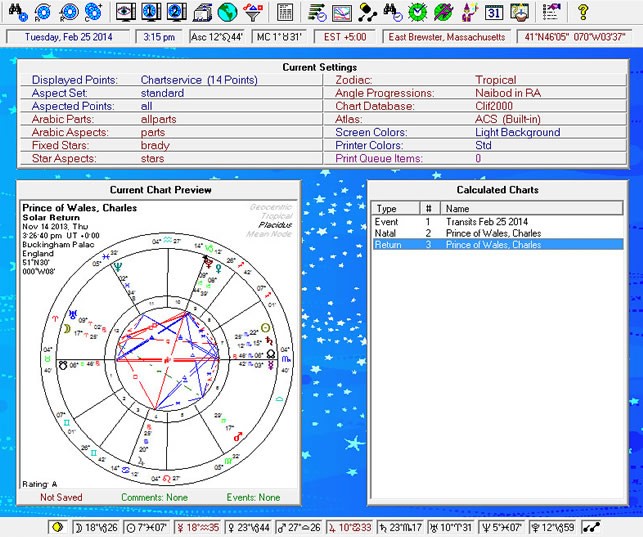
In astrology, aspects are the angular relationships between planets, points, or sensitive areas of a chart. Each aspect carries a distinct nature and quality, influencing how planetary energies interact. Understanding the general classification of aspects helps astrologers interpret both personality traits and life events.
1. Major Aspect Classification
1.1 Harmonious (Benefic) Aspects
- Promote ease, flow, cooperation, and positive expression.
- Examples:
- Trine (120°) → natural talent, effortless harmony.
- Sextile (60°) → opportunity, potential that requires activation.
1.2 Challenging (Malefic) Aspects
- Indicate tension, obstacles, conflict, and growth through struggle.
- Examples:
- Square (90°) → conflict, obstacles, personal growth through challenge.
- Opposition (180°) → polarity, confrontation, need for balance or compromise.
1.3 Neutral / Conditional Aspects
- Effects depend on planets involved and context.
- Example:
- Conjunction (0°) → merges energies; can be harmonious or challenging depending on the planets.
2. Minor Aspect Classification
- Semi-Sextile (30°) → subtle opportunities; minor supportive influence.
- Semi-Square (45°), Sesqui-Square (135°) → mild tension; learning through minor challenges.
- Quincunx / Inconjunct (150°) → adjustment, awkwardness, need for adaptation.
Key Principle: Minor aspects usually modulate the influence of major aspects rather than dominate the chart.
3. Characteristics of Aspects
- Exactness / Orb
- The closer the aspect is to exact, the stronger its effect.
- Harmonious vs. Challenging
- Harmonious → ease, talent, flow.
- Challenging → tension, growth, lessons.
- Angular Relationship
- Major aspects divide the 360° zodiac into meaningful patterns.
- Planetary Involvement
- The nature of planets involved affects whether the aspect is supportive or tense.
- Contextual Factors
- House placement, sign, dignity, and retrograde motion modify the expression of aspects.
4. Practical Use of Aspect Classification
- Identify strengths and natural talents through harmonious aspects.
- Highlight challenges and growth opportunities via challenging aspects.
- Use neutral or conditional aspects to assess situational influence, timing, or potential.
- Combine with orb, applying/separating, dexter/sinister, and moiety analysis for nuanced interpretation.
Conclusion
The general classification of aspects provides a framework for understanding planetary interactions:
- Harmonious aspects → ease, cooperation, talents.
- Challenging aspects → tension, learning, growth.
- Neutral aspects → conditional, context-dependent effects.
Astrologers combine this classification with house placement, signs, dignity, and other astrological factors to create a comprehensive chart interpretation.