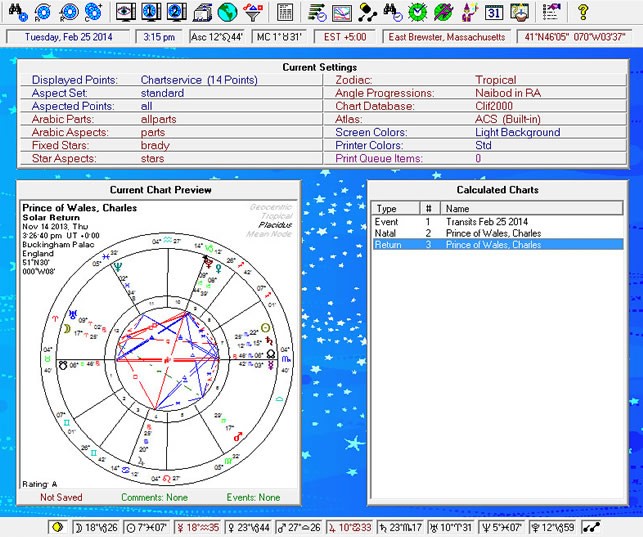
Reading your own astrocartography map can be empowering, helping you understand how planetary energies influence your life in different locations. This guide provides a structured approach for beginners and enthusiasts.
1. Start with Your Natal Chart
- Review your natal chart to understand planetary positions, houses, and aspects.
- Identify personal planets (Sun, Moon, Mercury, Venus, Mars) and outer planets (Jupiter, Saturn, Uranus, Neptune, Pluto) to see which energies are most influential.
- Note ascendant, midheaven (MC), IC, and descendant (DSC) for angular points, as these are critical in astrocartography.
2. Examine Planetary Lines on the Map
- Locate planetary lines (Sun, Moon, Venus, Mars, Jupiter, Saturn, etc.) across the globe.
- Identify which lines pass through cities or countries you are considering for travel, relocation, or major life events.
- Key lines:
- Sun Lines: Identity, power, leadership
- Moon Lines: Emotional well-being, family, comfort
- Venus Lines: Love, harmony, creativity
- Mars Lines: Energy, ambition, challenges
- Jupiter Lines: Opportunities, growth, luck
- Saturn Lines: Discipline, lessons, long-term stability
3. Check Cross Points and Parans
- Look for intersections of lines, which indicate intensified planetary influences.
- Examine parans, where two planets are simultaneously angular, creating potent hotspots.
4. Analyze House Shifts via Relocation Charts
- If you plan to move, generate a relocation chart for the location.
- Determine which houses your planets occupy in the new location, influencing areas like career, relationships, home, and personal growth.
5. Apply Astro*Locality for Local Guidance
- Use local space astrology to understand how planetary energies project around your current location.
- Identify optimal directions in your home, office, or city for enhancing specific planetary influences.
6. Combine Timing Techniques
- Consider transits, progressions, or solar arcs to identify periods when relocating, traveling, or initiating projects will be most effective.
7. Reflect and Record Experiences
- Keep a journal noting how you feel and what opportunities or challenges arise in specific locations.
- Compare your experiences with predicted energies to refine your understanding.
8. Take a Holistic View
- Combine insights from planetary lines, cross points, parans, relocation charts, and local space astrology.
- Prioritize locations that align with your goals for career, relationships, personal growth, and well-being.
Following these steps, you can read and interpret your own astrocartography map confidently, making informed decisions about where to live, travel, or focus personal development.