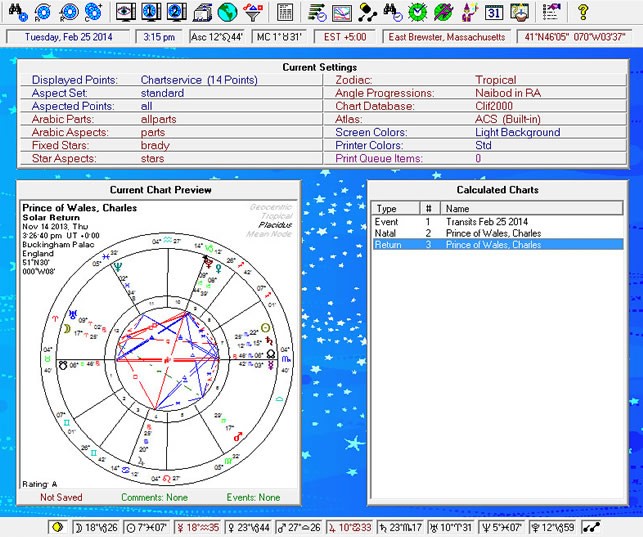
Interpreting planetary transits is a structured process in astrology that allows astrologers to understand timing, influences, challenges, and opportunities in a person’s life. Following systematic steps ensures accurate and meaningful transit analysis.
🔹 Step 1: Identify the Transiting Planet
- Determine which planet is currently moving in the sky.
- Note whether it is direct, retrograde, or stationary.
- Consider inner vs outer planets:
- Inner planets → short-term influences (communication, relationships).
- Outer planets → long-term influences (growth, transformation, karma).
🔹 Step 2: Determine the Natal Target
- Identify which natal planets or points (Sun, Moon, Ascendant, Nodes, Arabic Parts) the transit will aspect.
- Consider houses: which life areas will be affected.
🔹 Step 3: Analyze the Aspect Type
- Conjunction: New beginnings, merging energies.
- Square / Opposition: Challenges, tension, growth.
- Trine / Sextile: Harmony, opportunity, support.
- Quincunx / Minor aspects: Adjustment, adaptation, subtle influence.
🔹 Step 4: Consider Duration & Strength
- Determine exact dates of the aspect, including applying and separating phases.
- Slow-moving outer planets → prolonged influence.
- Fast-moving inner planets → temporary or short-term effect.
🔹 Step 5: Evaluate Planetary Roles
- Transiting Planet: Active influence, initiator of change.
- Natal Planet: Passive, area of life being activated.
- House Placement: Life domain affected (career, relationships, health, etc.).
🔹 Step 6: Synthesize the Information
- Combine planet, aspect, sign, and house information.
- Consider patterns and recurring themes in the natal chart.
- Integrate multiple transits to understand simultaneous influences.
🔹 Step 7: Apply Practical Advice
- Suggest timing for action, reflection, or caution.
- Identify areas of growth, challenge, or opportunity.
- Use insights to plan life events, projects, or personal development.
🔑 Summary
- Identify the transiting planet and its motion.
- Find the natal planet or point affected.
- Determine the aspect type and meaning.
- Consider duration and exact timing.
- Evaluate planetary roles and house influence.
- Synthesize for overall interpretation.
- Apply practical advice for action or reflection.