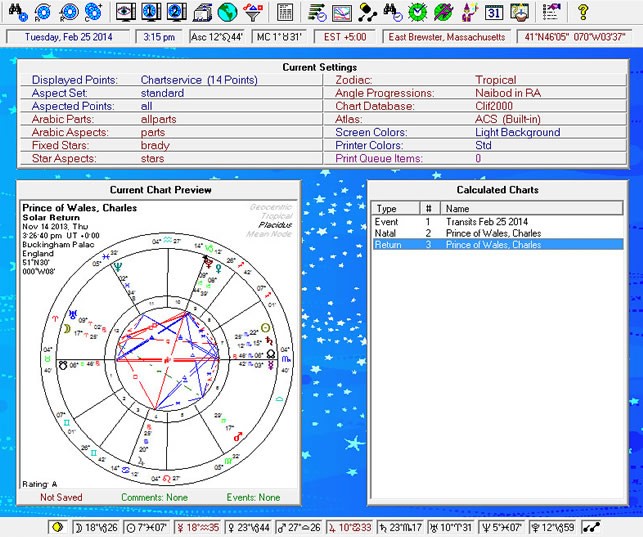
In Mundane Astrology, politics and leadership are studied through planetary positions, aspects, house activations, and eclipses.
- 10th House: government, leadership, and national authority
- 7th House: diplomacy, allies, and open opposition
- Sun, Saturn, Pluto, Jupiter, and Mars: key planets indicating power, leadership challenges, or reform
By analyzing a nation’s chart, astrologers can forecast leadership changes, political crises, election cycles, and governance stability.
🔹 Key Planetary Indicators
☀️ Sun – National Authority and Leadership
- Represents the head of state, executive power, and visibility of leadership.
- Transits and progressions → changes in leadership focus or authority challenges.
Example:
- US Presidential Inaugurations: Sun activation in the national chart often coincides with leadership transitions.
♄ Saturn – Structure, Stability, and Governance
- Saturn transits → testing leadership, governmental authority, and policy structure.
- Difficult aspects may indicate restrictions, opposition, or political stagnation.
Example:
- UK 1979 Thatcher election: Saturn transits reflected structural reform and consolidation of leadership authority.
♇ Pluto – Power, Transformation, and Reform
- Pluto aspects → major power shifts, regime change, or structural political reform.
- Long-term transformative influence on governance.
Example:
- South Africa 1994 elections: Pluto aspects in national chart → end of apartheid and leadership transformation.
♂ Mars – Conflict and Political Action
- Mars transits → activism, protest, military decisions, or leadership challenges.
- Aggressive energy often prompts reform or crisis management.
Example:
- Arab Spring 2011: Mars aspects activated uprisings and regime change in multiple nations.
♃ Jupiter – Expansion, Ideals, and Political Reform
- Jupiter transits → ideological shifts, policy expansion, and national optimism.
- Harmonious aspects encourage reform, international cooperation, and popularity of leaders.
Example:
- New Deal USA 1933: Jupiter transits reflected expansionist policies and social reform.
🔹 Houses in Politics and Leadership
House | Political Focus |
|---|---|
| 10th | Leadership, government, authority, executive power |
| 7th | Allies, open opposition, diplomatic negotiation |
| 6th | Bureaucracy, civil service, national administration |
| 1st | National identity, leader’s public image |
| 8th | Crisis, power struggles, hidden political forces |